
7 Springfield Neighborhood Clues First-Time Buyers Miss Under $300K
7 Springfield Neighborhood Clues First-Time Buyers Miss Under $300K
Buying your first home under $300,000 can feel like a race against the clock, especially when every listing seems to attract attention fast. In Springfield, though, price alone rarely tells the whole story. The smartest buyers look past fresh paint and listing photos to spot the neighborhood details that shape daily life, long-term value, and how confident they feel after closing. If you are searching for an affordable first home, these often-overlooked clues can help you read a block more like a local.
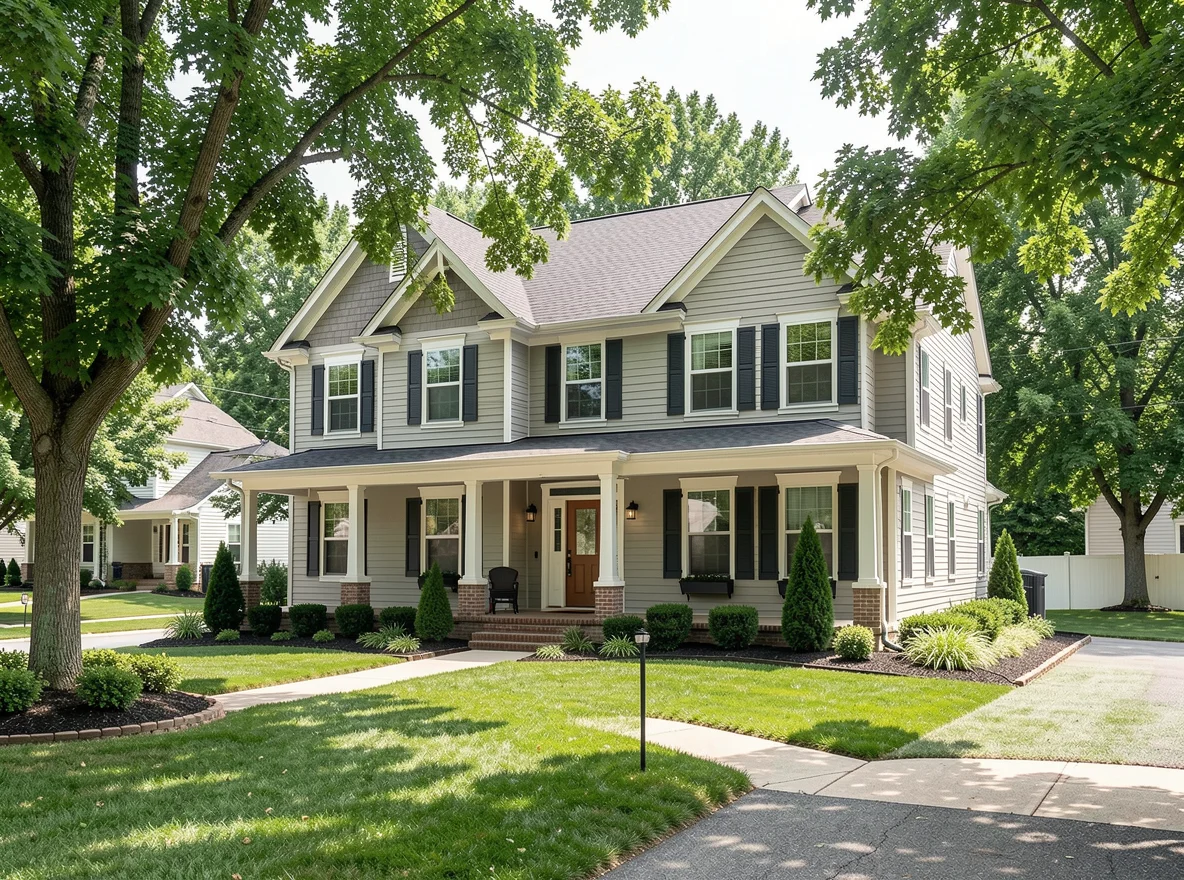
1. Watch the condition of the houses two or three doors down. A nicely updated home can distract buyers from what is happening nearby. Pay attention to roofs, siding, porches, drainage, fencing, and whether yards look consistently cared for. You are not looking for perfection. You are looking for a pattern. In many Springfield neighborhoods, an affordable home on a stable, well-kept street can offer better long-term comfort than a prettier house sitting in the middle of visible deferred maintenance.
2. Study traffic at different times of day. First-time buyers often visit once, love the house, and never come back until inspection. That misses one of the biggest neighborhood clues: rhythm. A block that feels calm on a weekday afternoon may become a cut-through route during school drop-off or evening commute hours. In Springfield, where some residential pockets sit close to major connectors, a second and third visit can reveal whether the street feels peaceful, busy, or surprisingly noisy after dark.
3. Notice where convenience shows up quietly. Being under $300K does not mean settling for isolation. Some of the best-value areas are the ones with easy access to grocery runs, parks, medical offices, schools, and everyday errands without feeling overly commercial. Buyers often focus on drive time to work but underestimate the value of shaving minutes off ordinary routines. A neighborhood that makes daily life easier tends to feel better month after month, even if the house itself is modest.
What the block tells you about lifestyle
Neighborhood feel is not just visual; it is functional. Listen for dogs barking constantly, train noise, heavy traffic, or the hum of nearby activity. Look for sidewalks, street lighting, visible pride of ownership, and whether neighbors use front porches and yards. Those details suggest how connected, active, and comfortable a street may feel. In a city with a wide mix of older homes, ranch properties, and postwar neighborhoods, little signals like these often matter more than whether the kitchen has trendy finishes.
4. Check the age mix of homes and updates. Springfield has many neighborhoods where homes are older but solidly built. That can be a real opportunity for first-time buyers, but only if you read the surroundings carefully. Are nearby homes gradually being improved, or do they appear stuck? A block with new roofs, updated windows, maintained foundations, and clean drainage lines may hint at owners investing steadily over time. That kind of momentum can support resale value, even in entry-level price ranges.
5. Do not ignore school-area influence, even if you do not have children. School preferences often affect buyer demand, rent potential, and future resale. You do not need to shop only with schools in mind, but it is wise to understand how local perception shapes the market. In Springfield, some affordable neighborhoods get more attention simply because they sit within an area buyers already recognize and trust. That familiarity can make a big difference when it is your turn to sell.
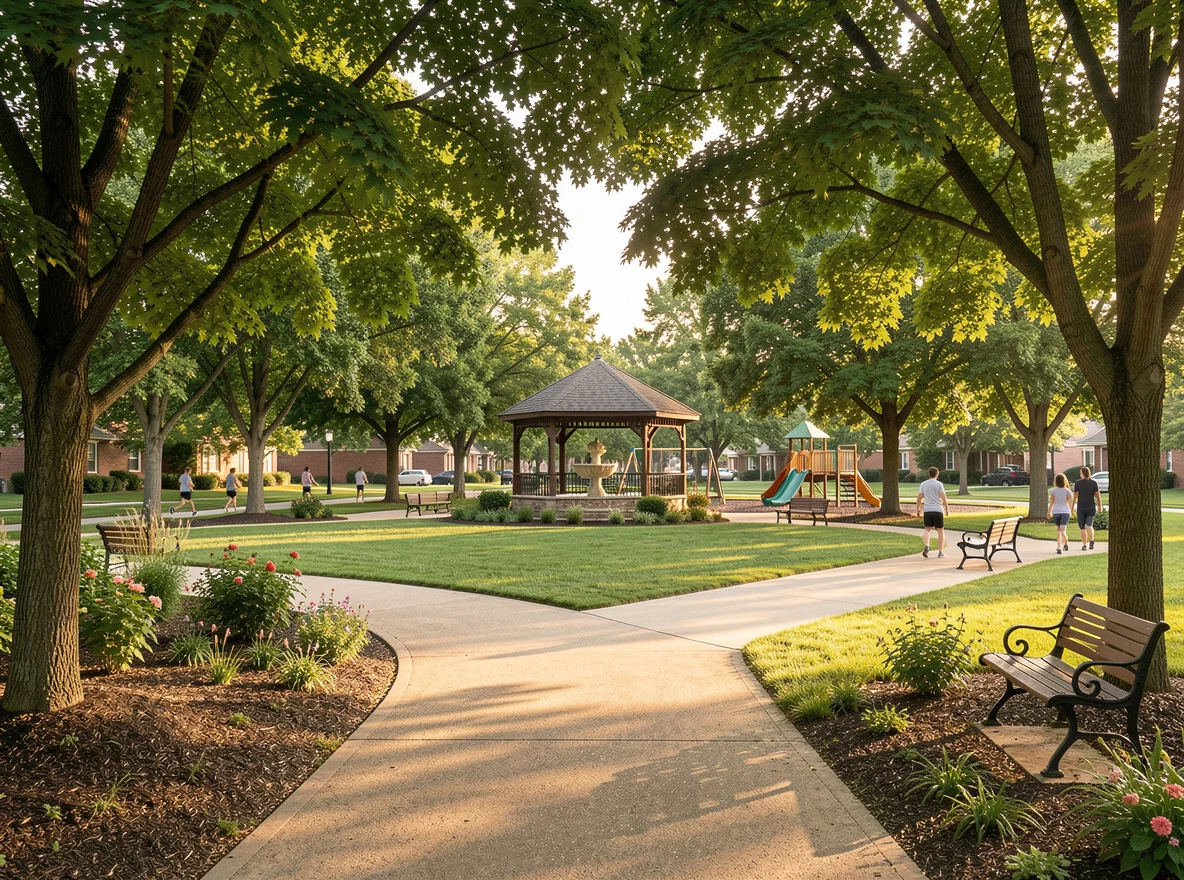
6. Look beyond the home for signs of recreation and community access. First-time buyers often stretch so hard to hit their budget that they forget to evaluate what they get outside the property line. Nearby parks, trails, sports fields, and gathering spaces can make a smaller home feel larger because your lifestyle spills outward. Springfield offers plenty of opportunities for outdoor time, from neighborhood green spaces to larger regional recreation areas, and being close to them can improve both enjoyment and desirability.
7. Pay attention to whether the area feels “in between” in a good way. Some of the best under-$300K opportunities are found in neighborhoods that are not flashy but are well-located between more established or higher-demand areas. These spots can offer an appealing combination of affordability, shorter commutes, access to dining and entertainment, and future upside. The clue is subtle: not rapid change, but gradual confidence. You may see a mix of first-time buyers, longtime owners, and renovated homes appearing one at a time. That is often healthier than a block that swings wildly from neglected to overhyped.
For buyers who are trying to balance budget, comfort, and future value, Springfield’s appeal comes from exactly this kind of variety. You can find classic ranch homes, bungalows with character, practical starter properties, and neighborhoods with genuine community identity without chasing luxury pricing. Add in local parks, familiar gathering spots, schools, and convenient access to major roads, and the city starts to make sense for people who want affordability without feeling disconnected from everything.
A smarter way to shop under budget pressure
The strongest first-time buyers are not always the ones with the highest approval amounts. Often, they are the ones who know how to interpret a street, compare neighborhood patterns, and imagine daily life beyond the listing description. If you slow down enough to spot these seven clues, you can avoid overpaying for cosmetic updates and focus instead on the setting that supports your goals. In a competitive price point, that kind of perspective is a real advantage. A good house matters, but the right Springfield neighborhood can be what makes it truly feel like home.